
How to Write About Music
Unsolicited Advice from Someone Who Wished They'd Gotten Unsolicited Advice
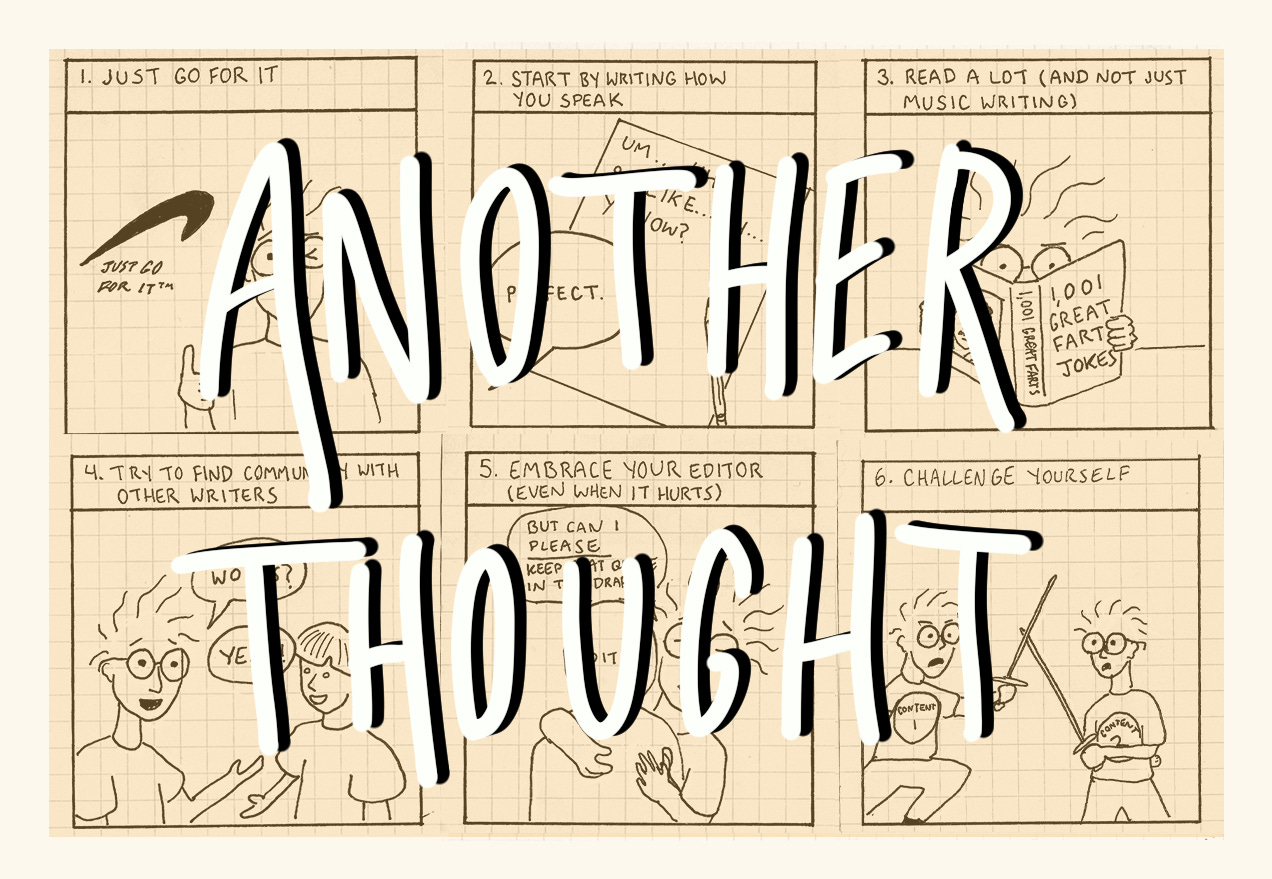
A few weeks ago, I wrote a piece called “Why Write About Music.” I’ve been truly heartened by the response it’s received. In times of uncertainty for the field of music writing, it’s exciting to see so many fellow writers and readers who feel just as passionate as I do about the value music writing gives to the world.
Since writing that, I’ve kept thinking about something more practical. I knew I wanted to be a music journalist since I was about 16 years old. But knowing what you want to do is very different from knowing how to do it. I had no idea what I was getting into, and it took me a while to find the people who could help steer me in the right direction.
There are lots of rules around writing and great resources to teach you about things like grammar and structure. I highly recommend you do that. But what I wanted to share here are some of the broader ideas around writing that I wish someone had told me back then. While a lot of these could apply to writing at large, I can at least attest that these maxims have been true for me in my pursuits as a music journalist.
Is this list definitive? Absolutely not. You could file this under “unsolicited advice.” But after posing a big question like “Why Write About Music,” I feel compelled to at least give a nudge toward some ideas and concepts that I’ve found helpful both as a writer and as an editor.
1. Just Go For It
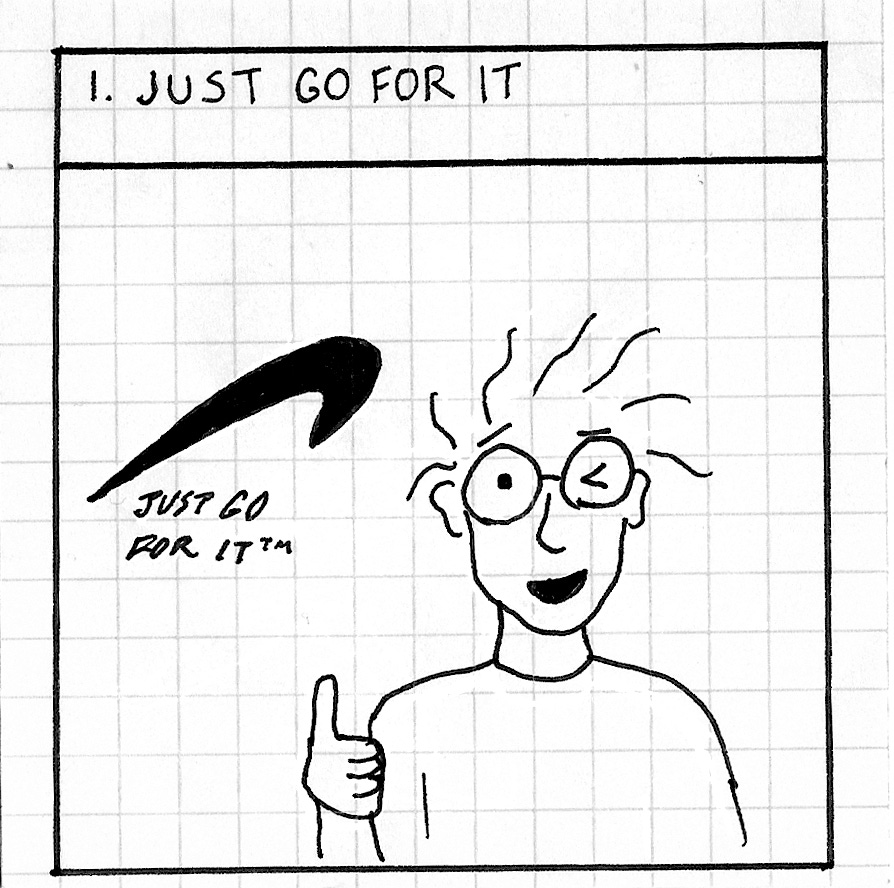
This is the biggest step. If you want to write about music, the best thing you can do is just start writing and see what happens. I found that, starting out, I often worried about “being good.” The constant fretting over your abilities or how you will be perceived may not ever go away (speaking from personal experience here), but the only way to build confidence and get better is by doing it more and more.
Yep, you may suck at first. I look back at my early writing and I’m appalled. Hell, I even look at my writing from a few years ago and want to gag. But that’s also a sign of improvement. You have to break the seal at some point. You don’t even necessarily have to publish the first things you write. You have to practice. You’re not going to dunk a basketball the first time you play. But you certainly will never dunk if you don’t ever step on the court.
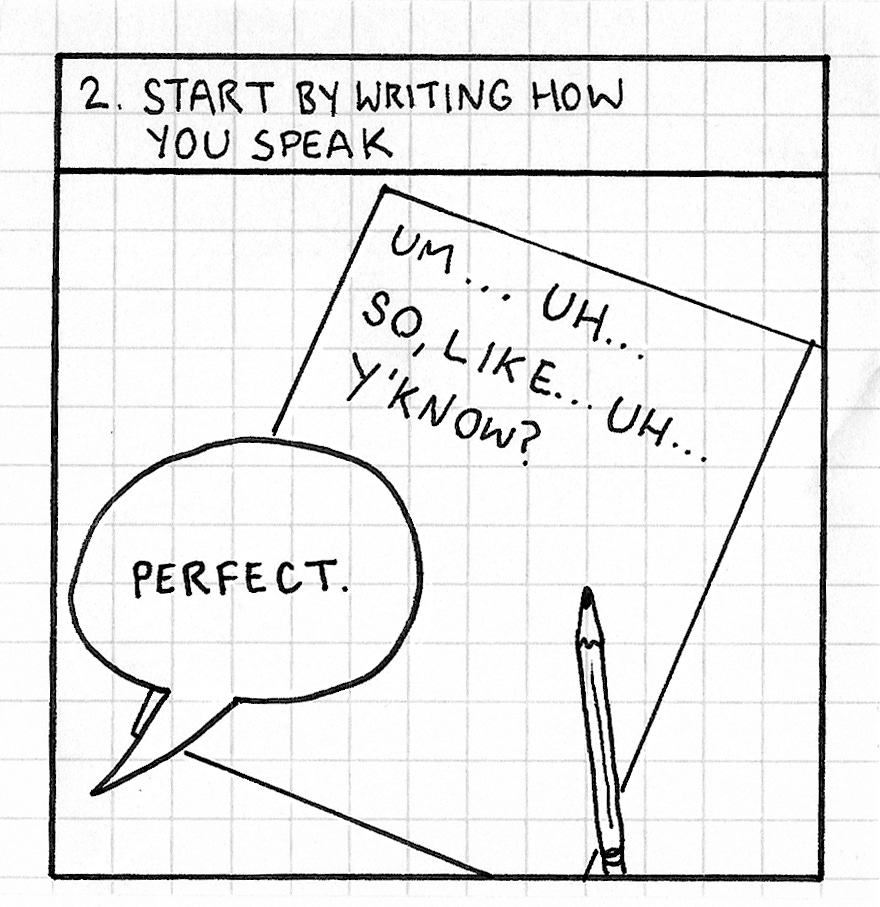
2. Start by Writing How You Speak
I’ve had the pleasure of working with interns and high school students periodically over the years. Some have come with an interest in writing; others have told me they have zero interest in writing. But in both cases, I’ve found that a lot of people (young and old) get nervous about writing.
If I had to guess, I think it has a lot to do with people associating it with school or being told they needed to approach things in a certain way. There are obviously grammatical rules to writing, and they have a purpose. Those constraints, while purposeful, can also be off-putting.
It reminds me of when I took music theory classes in college. I’d already written a few songs and felt like I understood what “sounds good.” Then suddenly I was being told all these complex rules for how to “properly compose,” and it totally pushed me out of it (trying to compose counterpoint harmonies nearly broke me). When I finally walked away from the classes, I suddenly felt a lot freer and enjoyed music a lot more.
Of course, music theory does have value. But sometimes guardrails can feel more like a cage. The advice I usually give first to people is to write how you speak. When I’m working with a new writer, usually the first draft they show me of something reads a bit stuffy and academic — like they’re trying to write something “properly,” the way they learned in school.
I suggest shirking expectations. Write what you actually want to say. Write what you would say if you were talking about the album to a friend. Literally transcribe yourself onto the page. I still do this all the time. Sometimes you need to cut out all the noise and get to the heart of what you’re really trying to say. No rules, no expectations — just spit it out. You can edit it later.
This will help you find your voice, and it’s one of the most important aspects of being a writer. Having your voice makes writing a lot more fun. You’ll still need to fine-tune your craft and understanding of “the rules” as you go, but finding your voice is what’s going to motivate you going forward.
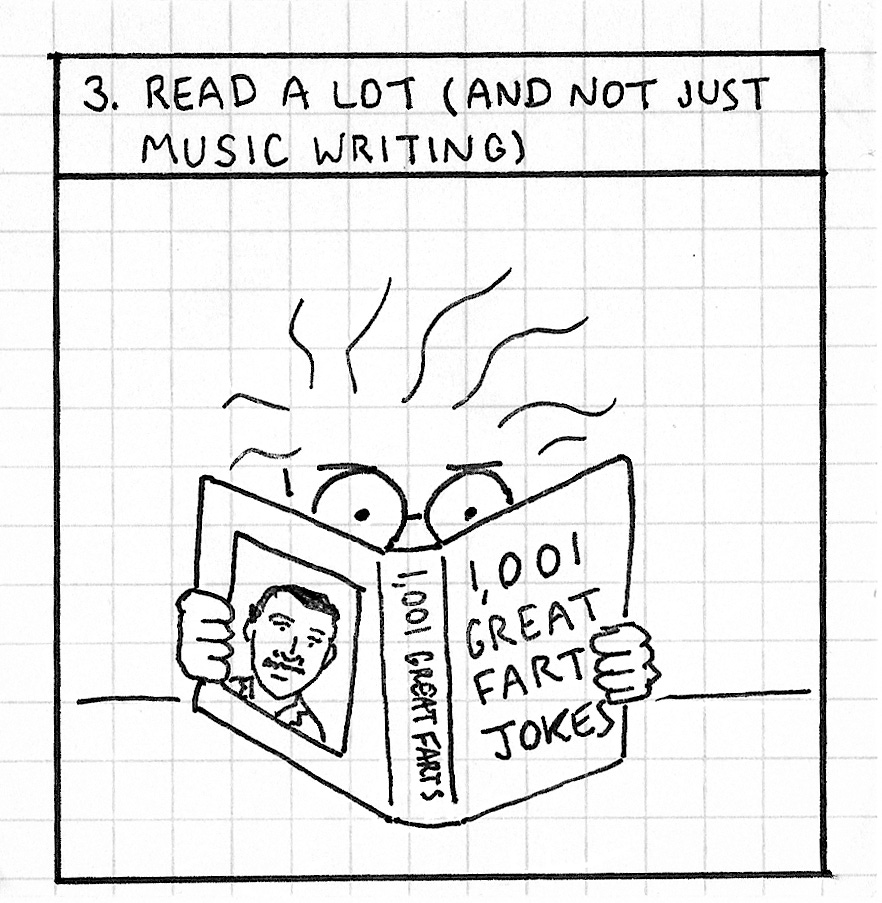
3. Read a Lot (And Not Just Music Writing)
When I was starting out, I got paired up with a writing mentor, and one of the first things he asked me was, “Who do you read?” At the time, I didn’t really know. I hadn’t come to music writing because I admired specific writers; I just fell in love with the idea of it. I had to fess up that I didn’t really know — I read a lot of articles but didn’t pay attention to the bylines. He kindly but sternly told me I needed to find “my heroes,” and then sent me home with a copy of Psychotic Reactions and Carburetor Dung by Lester Bangs.
This advice proved to be life-changing. I consumed all the books I could, sought out the best writers, found things I loved, found things I hated, and started to get a better grasp on what kind of writer I wanted to be. I learned through that that being a writer means being a reader. Maybe this is obvious to you, but it wasn’t to me at that point. To be a master of your craft, you have to look at “the greats.” Even if you end up not liking “the greats,” you’ll be more informed and no doubt pick up something from the experience.
I’d take this advice a little further and suggest not just reading music writing exclusively. After I got those marching orders about reading more music writers, that’s virtually all I did for years, with the exception of the odd novel every now and then. But I found that only reading other music writers made my writing feel stale. It’s easy to get stuck in the “music writing” bubble, and you can find yourself sounding too much like other writers. I’ve since learned to balance things out, digging into books and novels on a wide array of topics and styles. Not only has it made reading more enjoyable, I also find things and approaches to my work that I might not have otherwise. Whether it’s a fantasy epic, a western epic, or a non-fiction book about nature, there’s so much to glean from the vast array of writers out there.
4. Try to Find Community with Other Writers
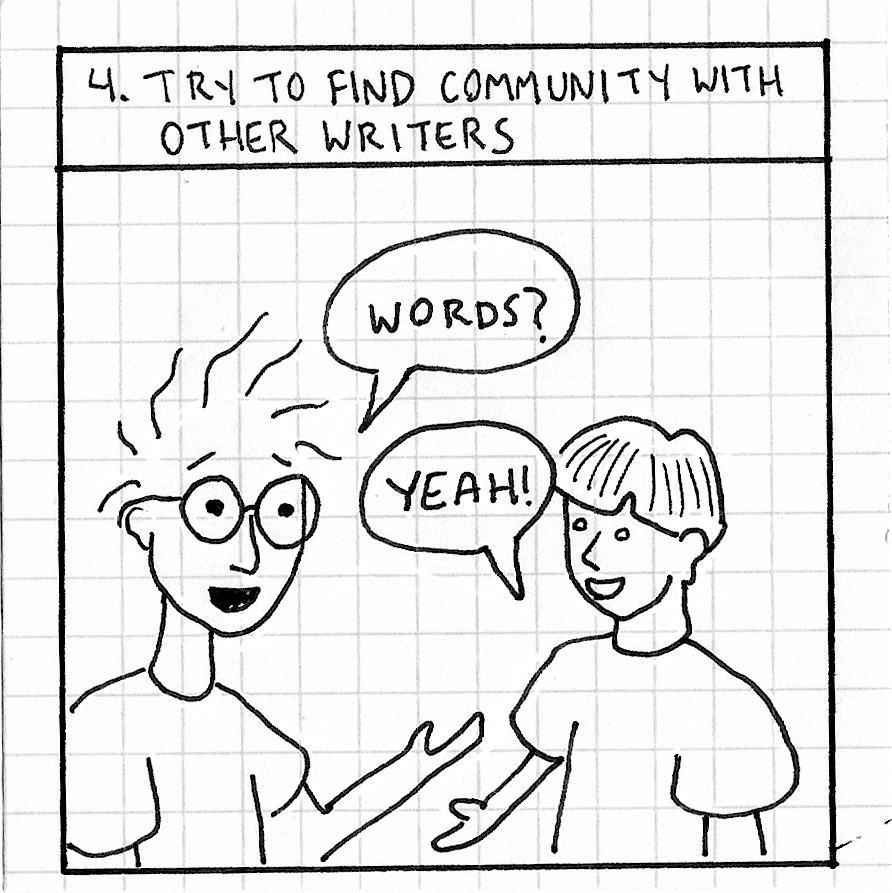
Writing is typically a solitary act. Some people thrive working in groups (particularly if you’re working on a script, where communal writing can be fun), but more often than not, you’re going to find yourself alone with the proverbial pen and paper. There are great parts to this. Being able to be alone with your thoughts and get something out can be immensely gratifying. But the writing life can also be lonely and isolating. And sometimes, you need a perspective that’s not your own.
I highly suggest finding other writers to build community with. When I started spending more time with other writers and sharing our work with one another, I immediately felt myself start to level up. It can be as casual as having someone to talk to or as practical as peer-reviewing each other’s work (which I’d highly suggest). This isn’t about networking — it’s about supporting one another.
And look, I know writers aren’t always the most social bunch. I’m certainly not. But if you don’t already have another writer in your life, I think it’s worth taking a leap of faith and reaching out to some folks whose work you admire. You’d be surprised by who is down and excited to chat and share their wisdom — or just down to commiserate. Just like it’s helpful to read other writers, getting to know them will only help you sharpen the blade. You probably have a lot you can offer them as well. My friendships with other writers have only built my confidence, given me reassurance, and taught me things I might never have otherwise come upon.
5. Embrace Your Editor (Even When It Hurts)
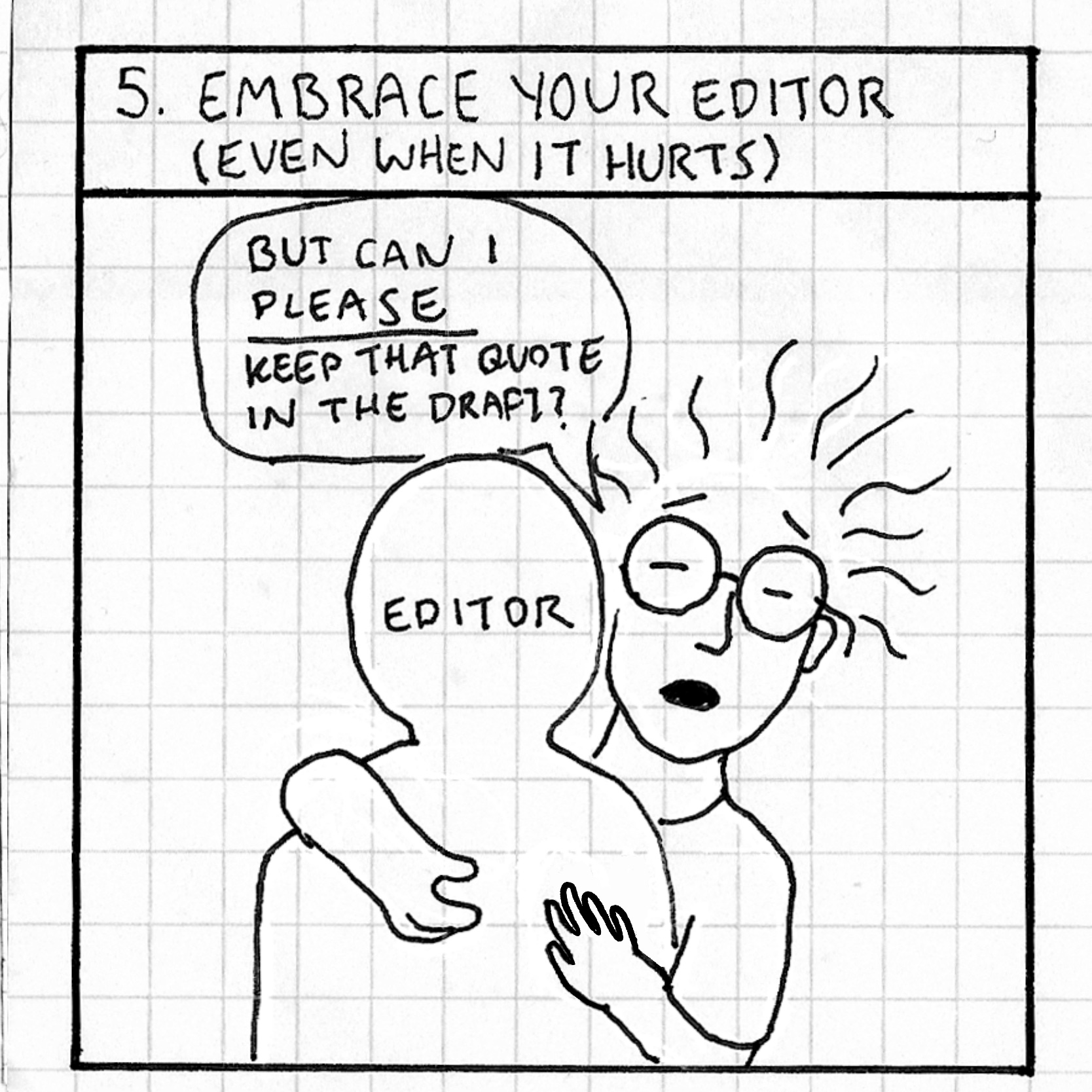
At some point, if you keep up with writing as a serious career or pursuit, you’re going to have to work with an editor. Yes, the dreaded EDITOR!
This may not be a popular sentiment on a platform like Substack, but I think editors are invaluable. I actually feel quite nervous publishing here without one (apologies for the inevitable grammatical errors). While it’s lovely to have a space where anybody can share their writing without barriers, editors are the quality control check of the writing world. And ultimately, they are not your enemy. If you’ve never worked with an editor before, I think it would behoove you to seek one out, if only for your own personal development.
I have been lucky to have some incredible editors who nurtured me and my work. I have also had editors who nearly made me want to quit the game altogether with how harsh (and frankly, unproductive) they were. You’re going to run into both. Every editor has their own style. Ultimately, though, you share a common goal — to make the story as good as it can be.
The editing process can be brutal. Your favorite lines will get struck out. Your structure will get torn apart. Red lines will beget more red lines. It’s going to suck. But take in every piece of feedback. Even if you don’t agree with it, really try to absorb it and understand where your editor is coming from. Maybe your perspective will change; maybe it won’t. Closing yourself off to feedback completely will be your undoing.
If there’s something you really believe in in a piece that your editor takes issue with, talk with them about it. Again, your mileage will vary based on personality. But I think the best editors make the process a conversation. There have been many times I’ve fought to keep a line or moment in a story, helped the editor understand why it was so important, and they assisted me in reworking it to fit much better. There have been other times where I did that and they helped me see why it didn’t fit.
Whether your editor is a staffer at a publication or a friend giving you a peer review, try to take the feedback with an open mind. Because writing can feel personal, feedback is tough. But in the long run, you’ll be grateful for the advice.
6. Challenge Yourself
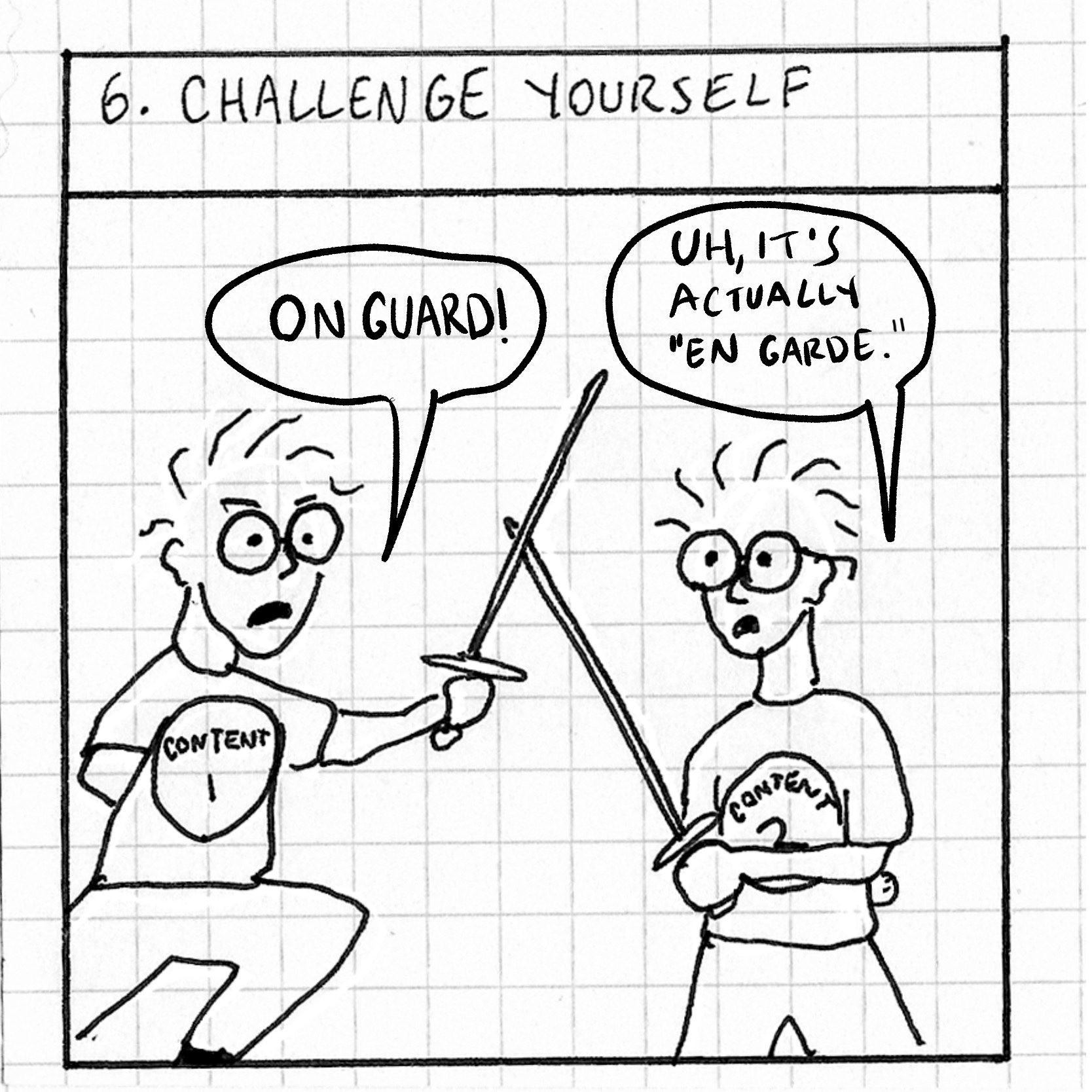
We all have our comfort zones. Maybe you like a particular artist or genre that you gravitate toward. Maybe you only like doing a certain style of writing, like preferring essays and reviews over interviews and features. There’s value in specializing in a certain lane. But one of the best ways to grow is to push yourself out of your comfort zone.
I often set different challenges for myself. One thing I’ve done over the years is create a list of words to stop using. I started doing this when I realized I was using the word “ethereal” in almost every write-up. Maybe eventually you can allow yourself to use the word again (I use it twice in 20th Century Ambient, and there’s a third instance in a quote — but given the topic, I’m pretty proud of that). The point wasn’t to punish myself, but to force myself to be a little more creative and avoid letting my writing get stale.
The same goes for trying out different genres. If you write about garage rock all the time, try writing about a pop record. You don’t even have to publish it. The act of going through it is what’s important. Always look for ways to keep yourself fresh. By doing so, you might stumble onto a new sound or mode of writing that you fall in love with. In fact, I remember starting to write about ambient music in part as a way to challenge myself — how many different ways can you write about music that is so “amorphous” and “ethereal” without saying “amorphous” and “ethereal”?
If you want to get stronger, you start adding more weights. Consider this your writing workout.
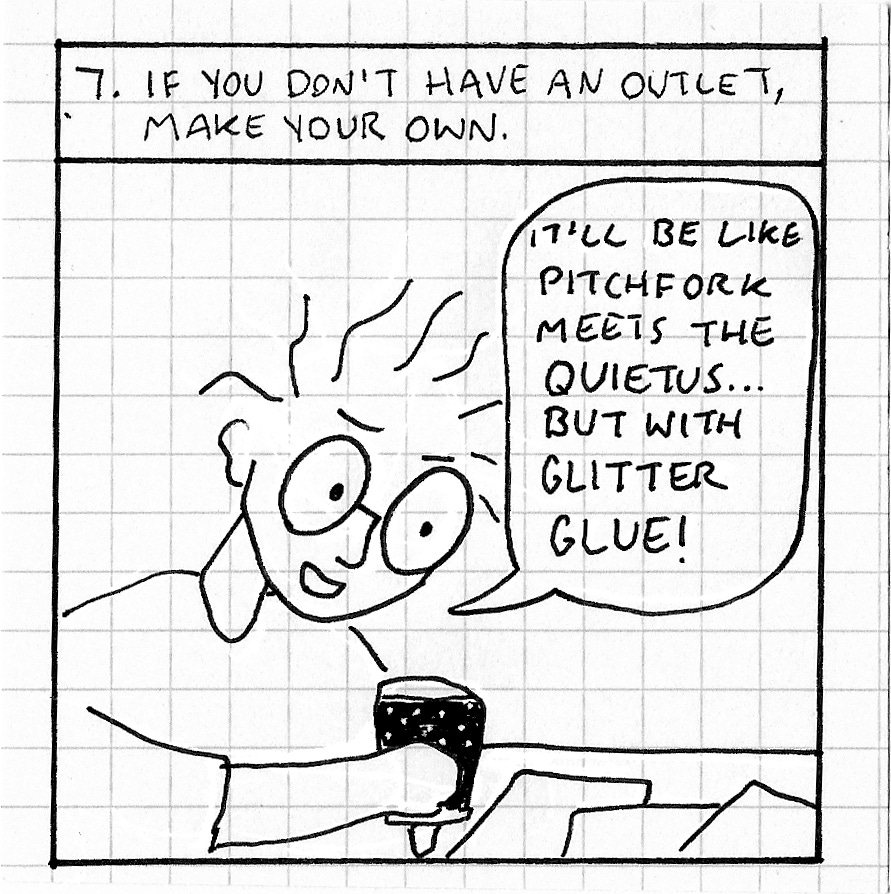
7. If You Don’t Have an Outlet, Make Your Own
Some of the best advice I was ever given came from a punk when I was 15 years old. We had both just played a show together, and I had only gotten on the lineup by begging the promoter for months to get something. This punk was playing all over town. I told him I was struggling to get booked and asked him how he did it. Sweaty after a performance in his skeleton ribs T-shirt, he looked me in the eye and said, “If you can’t get a show, make your own.”
Those words became doctrine for me. When I was struggling earlier on to get pitches accepted and wasn’t getting the assignments I wanted, I decided to take matters into my own hands and started my own local music publication. Not only did I find it fulfilling, I was amazed at the access I was able to get. Artists were down to talk with me, local festivals gladly gave me press passes, and I was able to take a stab at doing the type of writing I most wanted to do. On top of that, the pieces I wrote for that site helped me land some of my first gigs at bigger publications. I truly think things would have gone much differently for me had I not taken the leap to “do my own thing.” And hey, here I am on Substack doing it all over again!
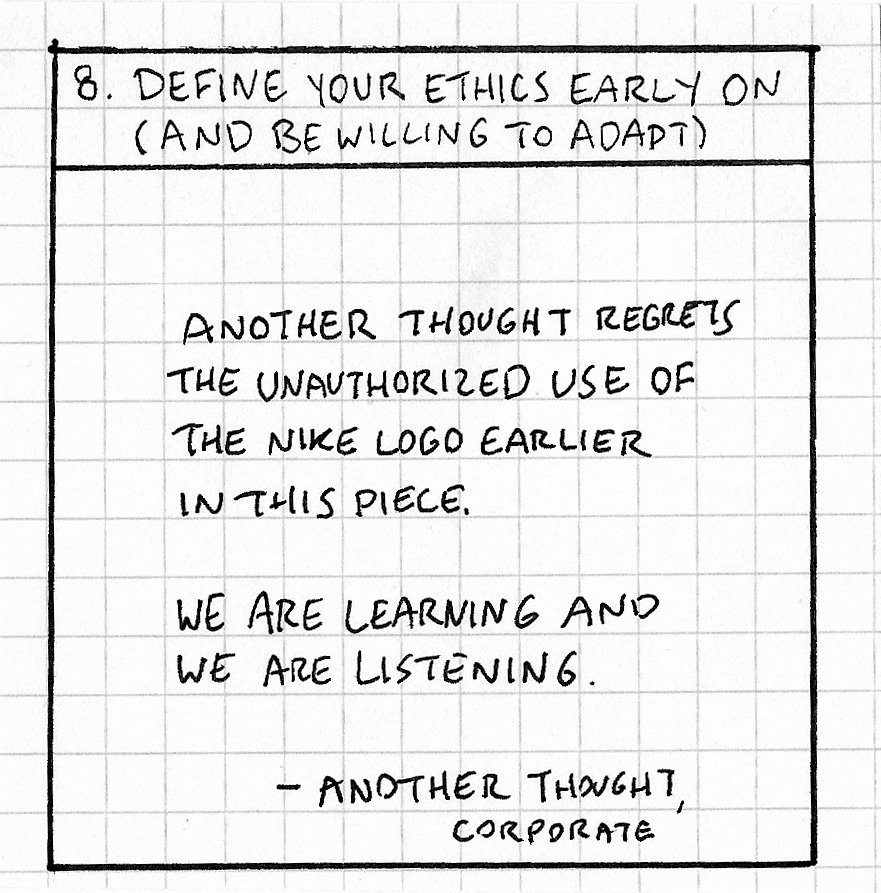
8. Define Your Ethics Early On (and Be Willing to Adapt)
There’s a classic scene in Almost Famous where Lester Bangs (played by Philip Seymour Hoffman) gives William Miller (played by Patrick Fugit) a list of mandates.
“Do not make friends with the rock stars,” he says bluntly, giving a deadpan stare. A few moments later, he adds, “You have to make your reputation on being honest and unmerciful.”
This scene (based on a real-life interaction between Bangs and director Cameron Crowe) shows Bangs trying to impart a key message: you have to have values. You need principles and ethics to guide your work. There are certain things that may be no-brainers — like never letting an artist pay you for a good review. Avoid conflicts of interest. Don’t, uh, lie. But even in these examples, there are going to be times when things get murky.
Music writing may seem “lighter” than news to some, but music intersects with characters and ideas and opinions as broad as the world itself. You need a guiding light. Think about the type of writer you want to be and what you want to stake your reputation on.
Read up on how other publications define their rules and ethics. Again, talk with other writers. You might also find some ideas that feel outdated. Even since I began writing, we’ve seen practices shift and change after being revealed as inequitable and, at times, even harmful. You have to be willing to adapt, stay curious, and remain open to new ways of thinking. Even if they change, write your values down. Build the foundation of your work on something grounded in principle.
9. Accept That It Won’t Always Come Easy
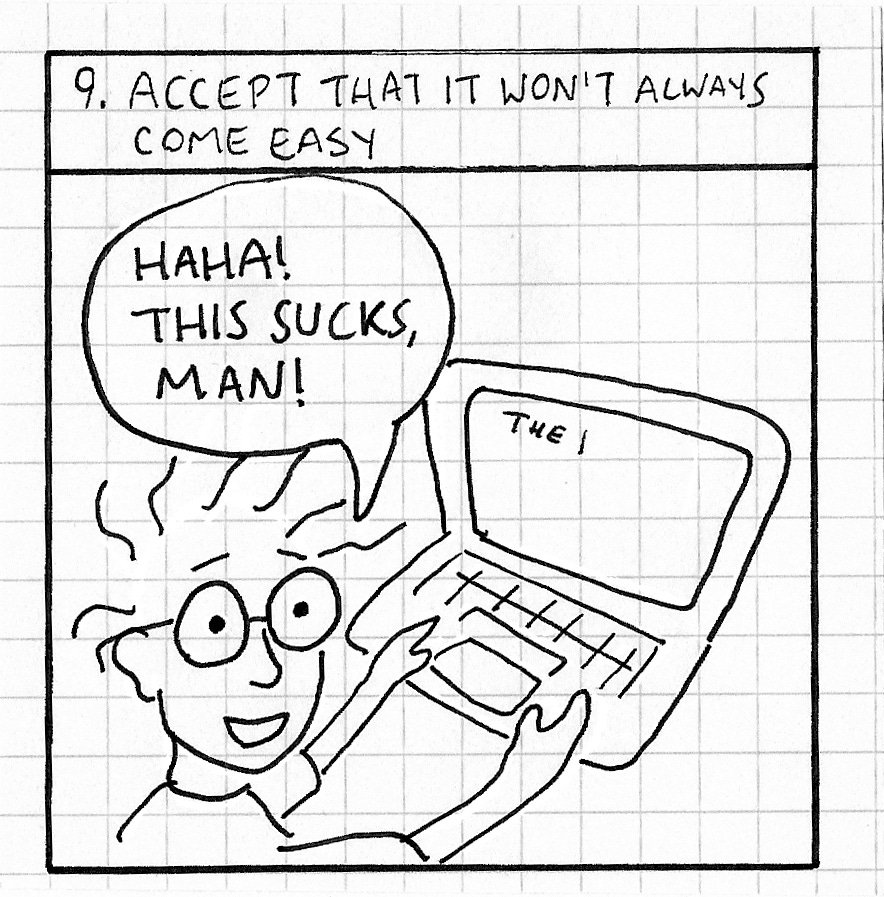
I have literally slammed my head into my keyboard many times. Sometimes the words just won’t come out. Sometimes you can’t bear to listen back to that interview audio because it’s just way too cringeworthy. Many times you will curse the heavens for even wanting to write in the first place.
It will happen. If this hasn’t happened to you, wow — please donate your brain to science someday. These moments are hard. Self-doubt can be a killer. But you’ve got to hold strong and remind yourself that this is part of the process.
I have a Post-it note at my desk where, years ago, I scribbled a quote my friend Martin Douglas shared with me from fellow writer Jeff Weiss: “This shit is cyclical. It comes easy for no writer.” Just like that punk telling me to make my own show, these words have carried me.
It’s hard to see the light at the end when you’re in the thick of it. The same brain that helps you write will also tell you that you’re a piece of shit and should give up. But you have to hold strong. At the toughest moments, try to remind yourself that you will eventually get to the end. And when you get through it, it’s glorious — even if hitting that block again is almost inevitable.
10. Remember, You’re Doing This Because You Love Music
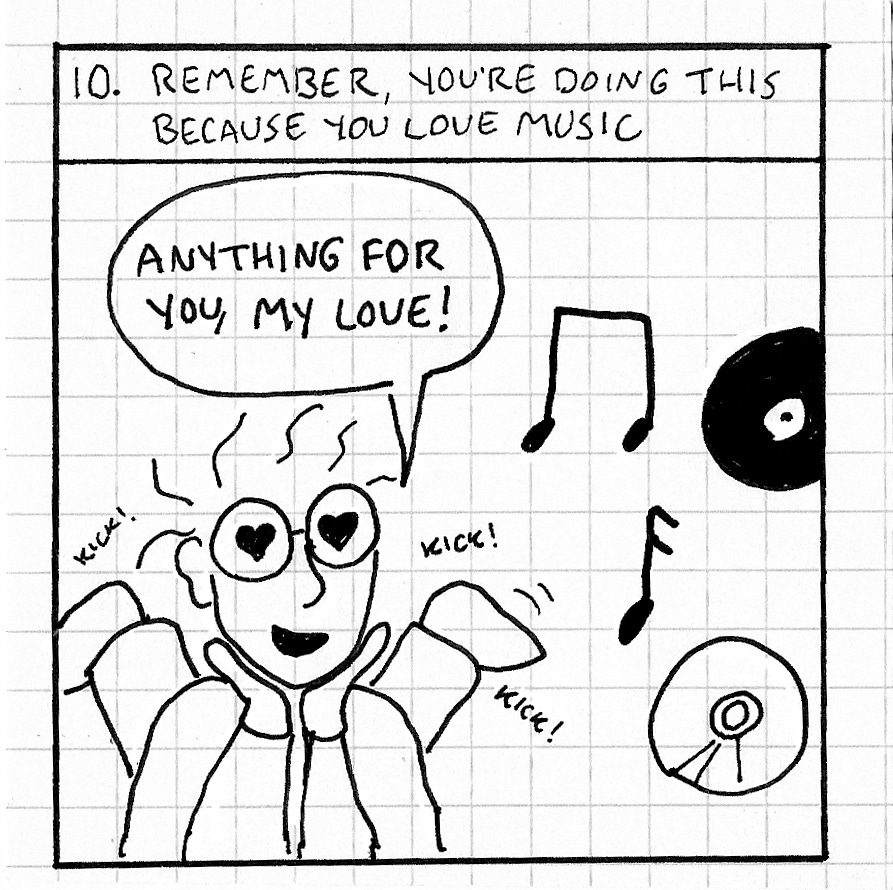
Music writing is born from love. It’s the flame that needs to be kept lit to fuel everything listed above. I believe that even the most cynical critics are in it because, at their core, they love the art form.
It’s important to tend to and nurture that love. Yes, I’m aware this all sounds hokey and cheesy. Yet it’s true. Because there will be times when you’re so stressed and overwhelmed, or caught up in this or that, that you’ll wonder, “Why am I even doing this?” Those are dire times — and boy, have I been there.
In moments like that, I like to do something to refresh my memory of why I chose this path. Usually this starts by putting down the pen and getting out of my head. Going to a great show is one way to break a funk. Take a walk and revisit an album you love. Rewatch a music documentary that inspires you. Play an instrument, if that’s your thing and you’re able. Whatever you do, put the work away and focus on the music itself.
In this field, it’s very easy to start equating music with work. It’s only logical. And while the work revolves around music, music is not the work. It’s a subtle but important distinction. Allow yourself to enjoy it, to have fun, to love it. Your writing will surely benefit from it. But above even that, the joy of music is unlike anything else in this world. It would be a shame to lose something like that.
Support the Newsletter with Another Thought+
Thank you for reading and supporting Another Thought! Just by reading these posts, you’re already making my day. If you like Another Thought and want to support the work that goes into it, consider a paid subscription. If you’re a big “content-head” like me (love that content), I’m following best practices and calling it Another Thought+.
Here’s what you get for $5/month:
A free sticker sheet when you first sign up
Bonus editions of Another Thought for paid subscribers only in your inbox
Exclusive playlists and mixes
Early access and discounts to upcoming physical zines/comics/prints
The satisfaction of supporting the newsletter and the work that goes into it
And much more!
Well, what are you waiting for? Sign up today!
My Book 20th Century Ambient is Out Now!
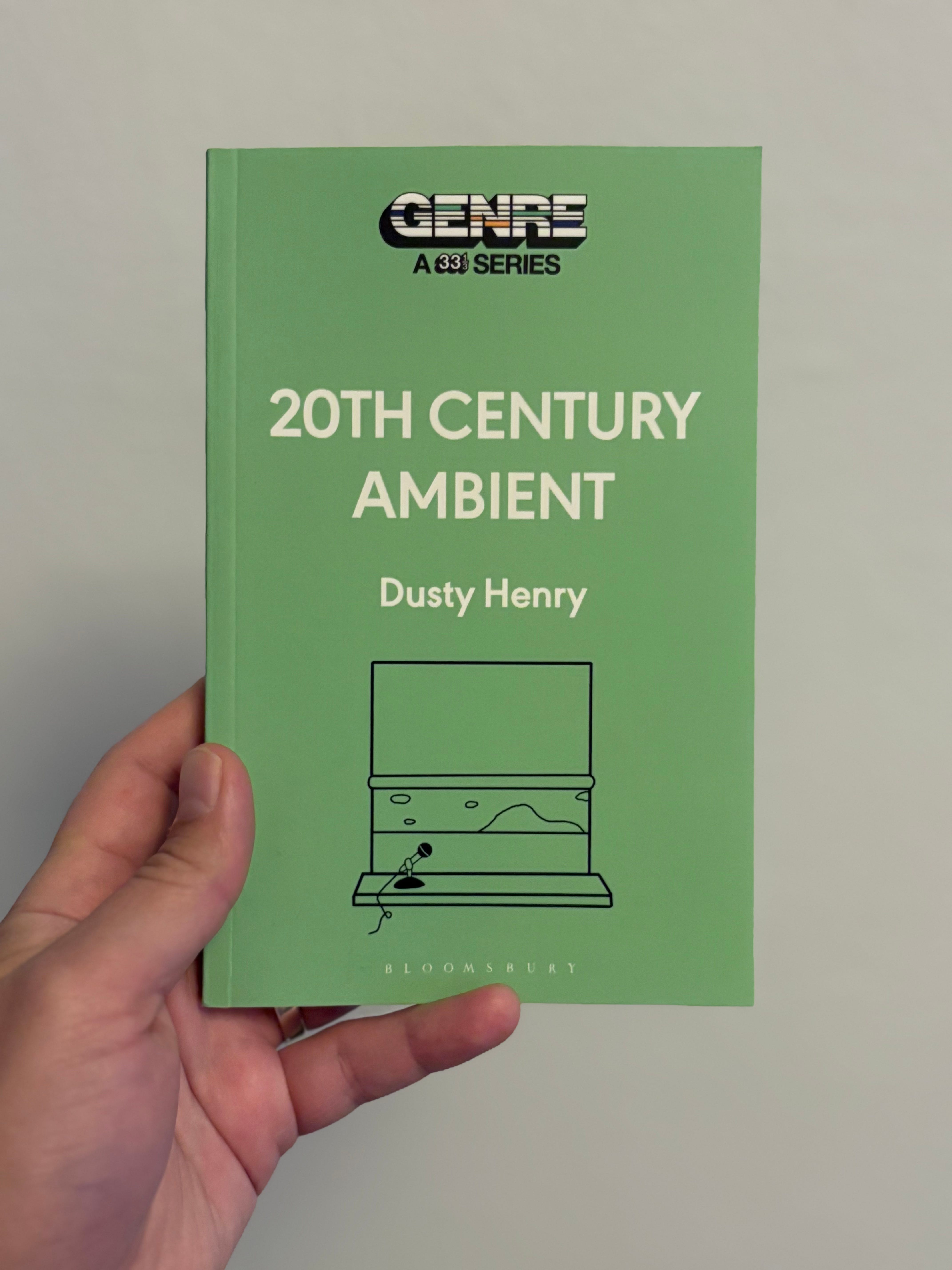
Through text and comics, 20th Century Ambient searches through ambient music’s recent history to unearth how the genre has evolved and the role it plays in our daily lives. If you dig the combination of art and essays on Another Thought, I think you’ll love this book.
“Enriched by vivid profiles of the genre’s practitioners and capped by a list of essential tracks, it’s a quirky love letter to an enigmatic sound.” - Publishers Weekly
“Dad! Your book isn’t boring! It has pictures in it! It’s hilarious. Kids can read it too!” - my child
20th Century Ambient is out now from Bloomsbury Books.
BUY IT HERE: Bloomsbury | Amazon | Bookshop | Barnes & Noble
Seattle Book Reading: Elliott Bay Books on Feb. 17
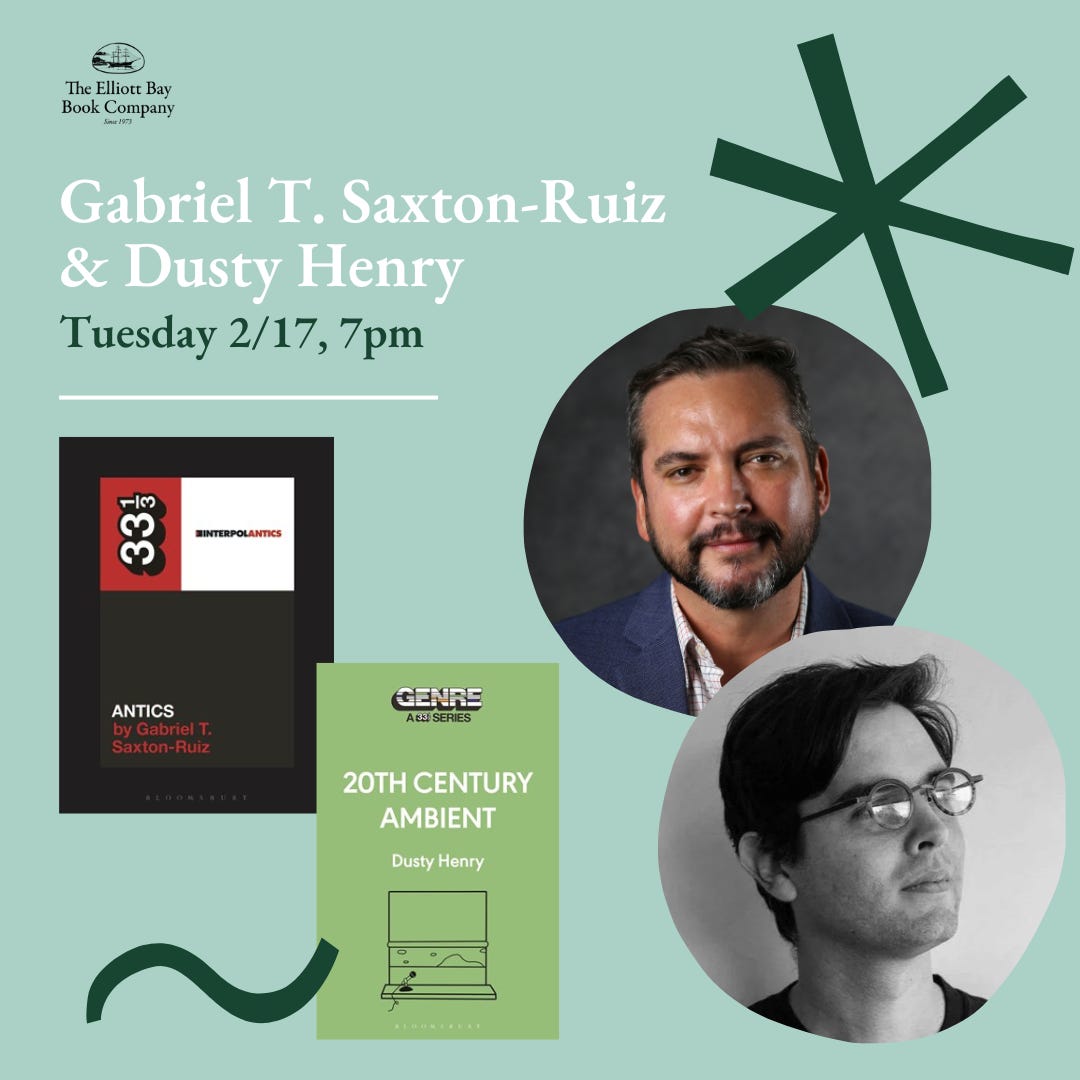
If you’re in Seattle, I’ll be doing a book reading on Feb.17 at Elliott Bay Books alongside fellow 33 1/3 author Gabriel T. Saxton-Ruiz. We’ll each be reading excerpt from our books, talking with each other, and finding some exciting common ground between our books.
This event is free but you can RSVP here.
Lovely read. Never thought much about my own music writer doctrine, but #7 has always appealed to me. Most of my fondest memories and experiences have been a direct result of not having that outlet!
As someone who has been ploddingly building a career as a music journalist, I found this really validating. Thank you for sharing your passion for the form!