
Staying Creative and Keeping Gas in the Tank
Reflections and “Unsolicited Advice” for Another Thought’s One-Year Anniversary
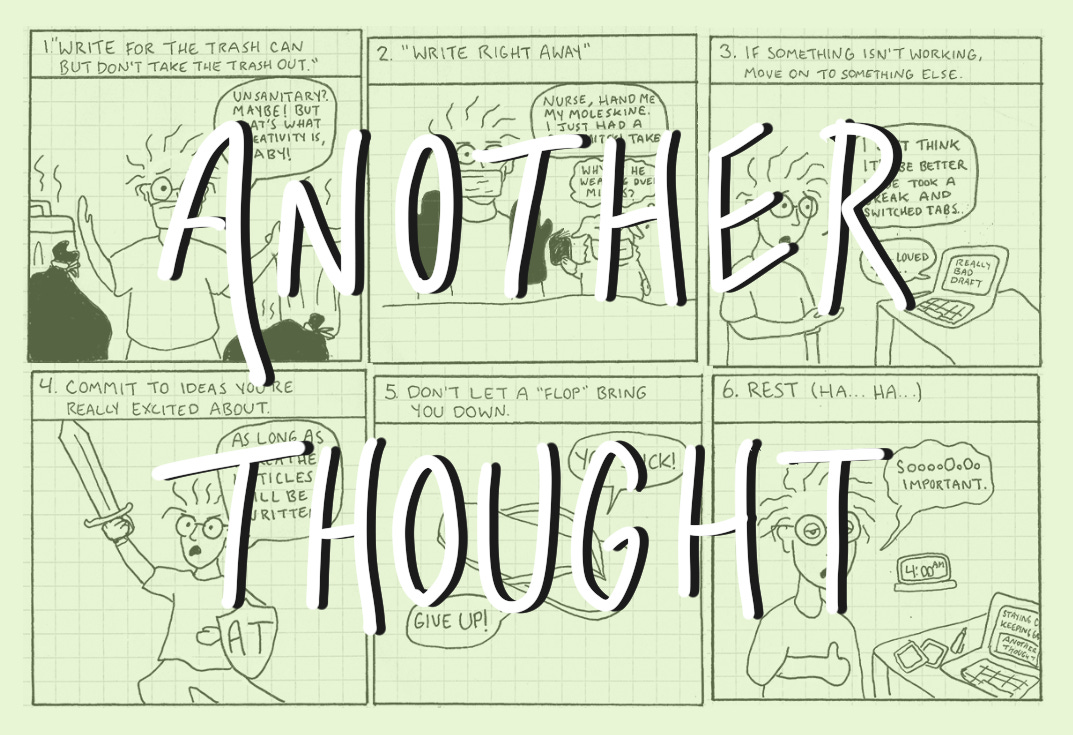
Today marks almost exactly one year since I began Another Thought. I’m so grateful to everyone who’s followed along, whether that’s from the beginning or you’ve just hopped aboard.
When I started this newsletter, I wasn’t sure what to expect. I’d been wanting to do something like this for a while but continually talked myself out of it. As I tell people often, my favorite thing in the world is sharing music. There is so much music out there, so many “tastemakers” vying for your attention, and so many other distractions to keep us from really giving music and art the attention they deserve.
Another Thought is my means of slowing down. Life is a treadmill that never stops — it only ever seems to speed up and increase the incline. Just trying to keep up, fulfill your responsibilities, and survive can be all-consuming enough. Then you have a firehose of “content” thrown in your face all day. It’s exhausting. And distracting. Writing about arts and culture has always been my lifeline.
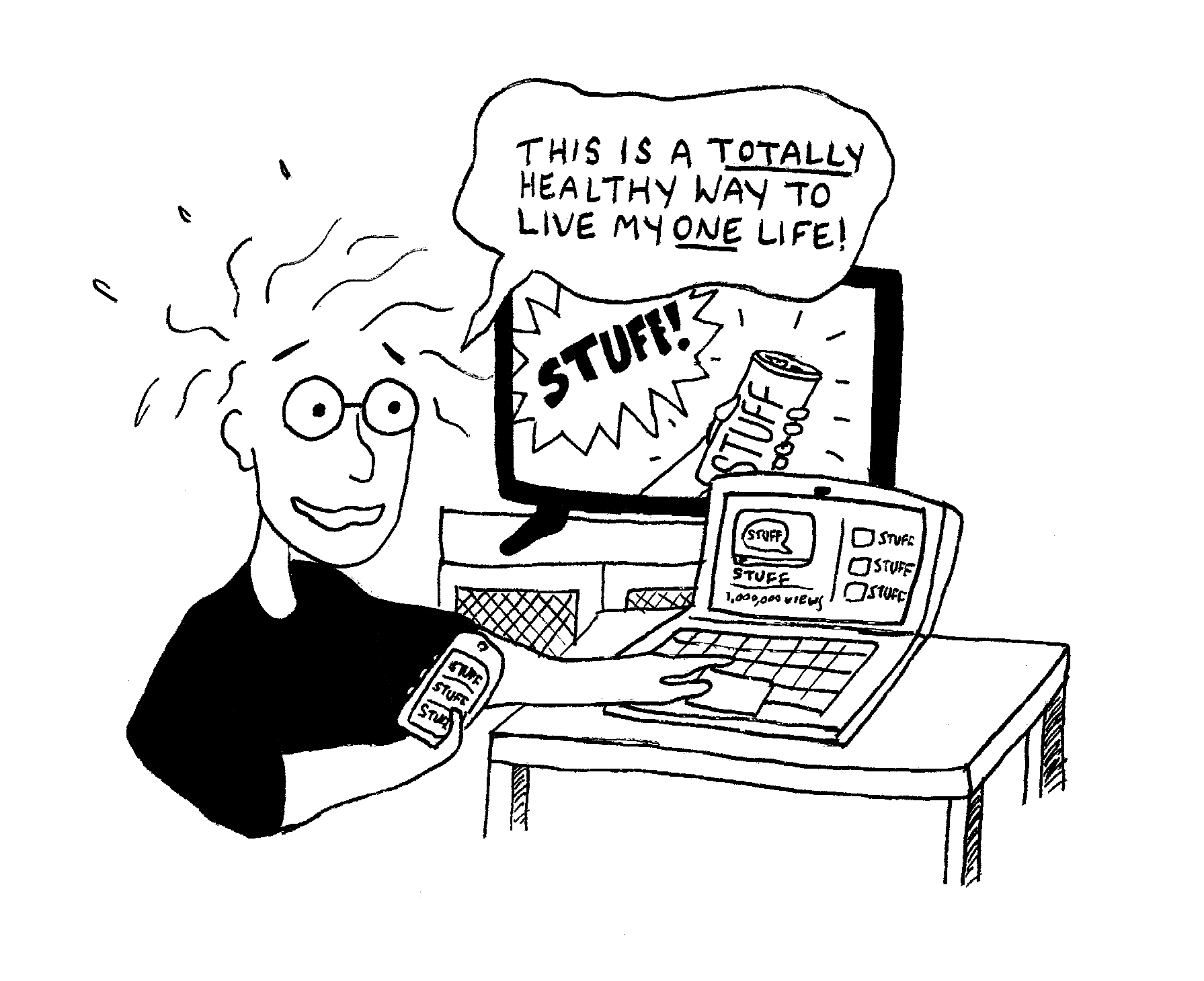
Music, especially, has been the lens through which I see and process the world. I take in new and old music almost every day. Another Thought is the space where I can really sit down and consider it all. Each new edition starts with me asking myself, “What am I thinking about most right now? What music, sounds, or ideas have I been gravitating toward? Why?”
But there’s another side to all this. As therapeutic as it is to channel all this into words and drawings, it’s also a lot of work. When I started, I made a firm commitment to myself that I would never miss a week. No matter what, the newsletter needs to be published every Wednesday morning. There are weeks when the words flow out. But those aren’t the norm. I’ve lost track of how many times I’ve stayed up until four in the morning, hands covered in marker ink, as I finally crawl into bed after scheduling a post to publish (only to wake up in a panic a couple hours later, afraid I’ve made an egregious typo).
Maybe that’s why I feel a little funny writing a post like this this week, reflecting on how to stay creative and maintain your energy. As my loved ones will tell you, exhaustion and I are old, dear friends. When someone asks me how I have time to do all the things I’m doing, I tell them, “Oh, I don’t sleep.” They usually laugh, but it’s not really a joke. But I’m working on it! Four a.m. deadlines are slowly turning into 12 a.m. deadlines.
I’ve done a few of these “unsolicited advice” type pieces, and I’ve been heartened to see how people respond to them. While I want to reiterate that I’m not necessarily an expert, it feels good to share my own experiences and what I’ve learned over the years. As of this year, I’ve now spent half my life in pursuit of music writing. Your experiences may differ from mine. I’m still figuring it out, but these practices and bits of advice I’ve picked up over the years have served me so far in helping me keep going. Creativity is something to be nourished.
1. “Write for the Trash Can But Don’t Take The Trash Out”
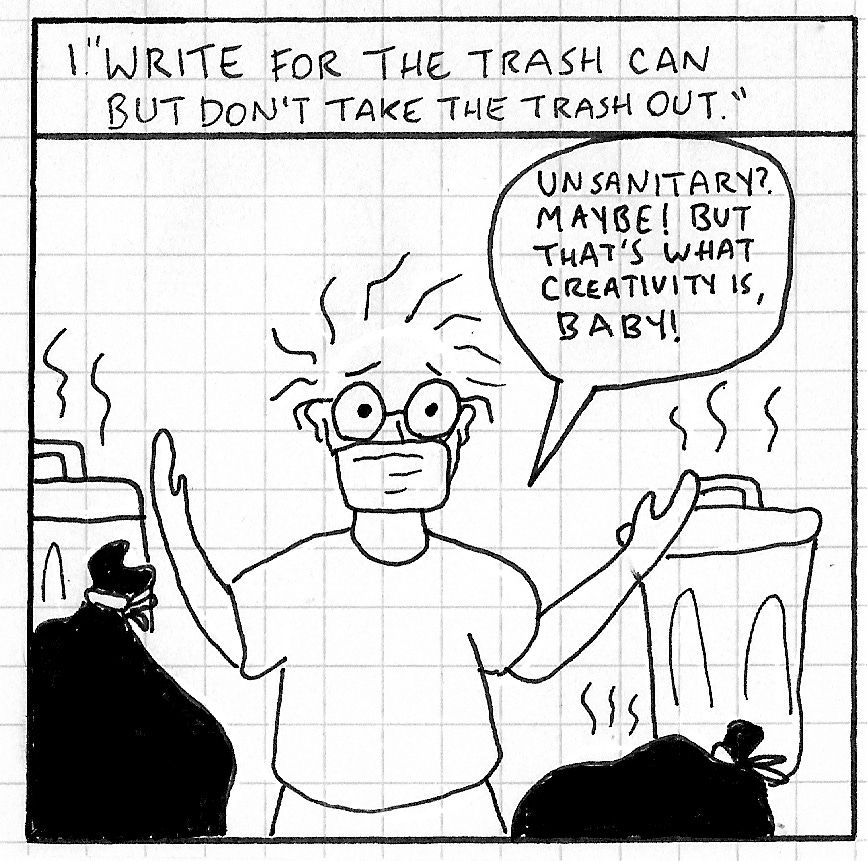
This is a bit of advice I got in one of my first college classes from our professor — in a songwriting class, no less. I say this phrase to myself at least a few times a week. The idea here is to alleviate the pressure of what you’re trying to create when you’re starting a new project (a song, an article, a book, etc.). Be a little flippant. Get the idea out as if it won’t be anything. If you sit down with the intention that you’re going to write a Pulitzer Prize–worthy piece, you’ve maybe already doomed yourself. At least for me, that pressure can be petrifying. Writing as if what you’re doing is going to be discarded makes you feel a little freer.
But the real key here is the second half of the phrase: “but don’t take the trash out.” Save. Everything. (And while we’re at it, if you’re writing on a computer, SAVE OFTEN!) Keep every scrapped idea. Maybe it’s in a notebook or the Notes app or whatever system you have. Even if you think an idea sucks, hold onto it. Truly, you never know what might actually turn out to be something you’ll need later on. Or maybe it just becomes a jumping-off point. Having an archive of ideas can be a lifesaver. There have been so many times I’ve been stuck in a creative rut when I’ve gone back to an old notebook and found something that sparked a new idea and set me off in a new direction. That’s not always going to happen. Some ideas might never bear fruit, but you truly just never know. It’s better to save it and find out.
2. “Write Right Away”
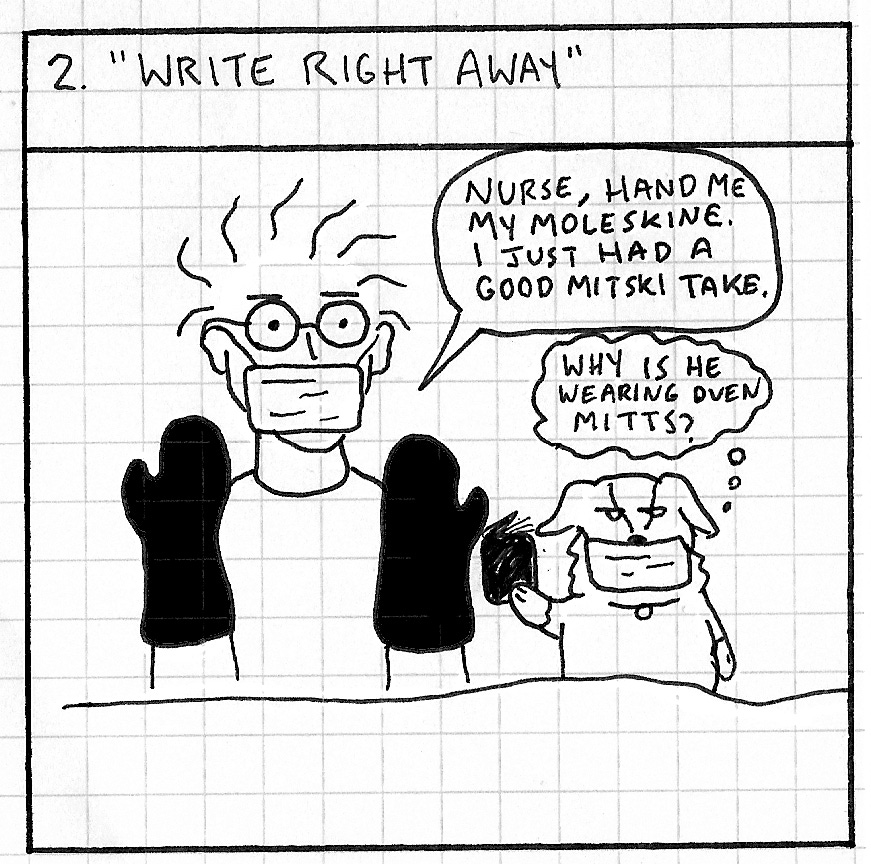
I’ll continue a theme here and share another great piece of advice I was given early on. This one came from my first creative writing teacher in high school. A simple mantra that’s true and effective: “Write right away.”
When inspiration strikes, capture it. If you’re like me, inspiration can strike at the weirdest times or places. I find I get great ideas after going for a walk, taking a long drive, or in the shower (showers are my cheat code for trying to break through writer’s block). Lately, the ideas have been hitting me right as I’m about to go to sleep. But it can happen at random times too — at the store, in a work meeting, while your kid is standing on your shoulders asking for a snack, etc.
Sure, you’re not always going to be able to sit down for hours to write your next masterpiece just because you suddenly got a great idea. But try to keep something on you where you can jot down your thoughts quickly. A pocket notebook is a great way. Of course, these days the phone and Notes app work well. My only caution there is to do your best to stay focused — many times when I open my phone to write down an idea, I find myself distracted by texts or social media and forget why I unlocked it in the first place. Grab a napkin or some scrap paper if you have to. Maybe you have a better memory than I do, but I find that physically getting the words onto something else helps me remember them better or gives me the opportunity to rediscover them later on.
For something like the newsletter, I may have a vague idea of what I want to do for each week’s article. So I’ll keep a note where I jot down ideas and phrases as they come to me. It probably looks like a mess to anyone else, but there’s an order to my chaos. So when I finally sit down on Tuesday night, I sometimes end up having a bulk of the core ideas and pieces there, and they just need to be finessed into a coherent piece.
That’s the ideal scenario. But that’s not always the case. Which leads me to my next point…
3. If Something Isn’t Working, Move On to Something Else
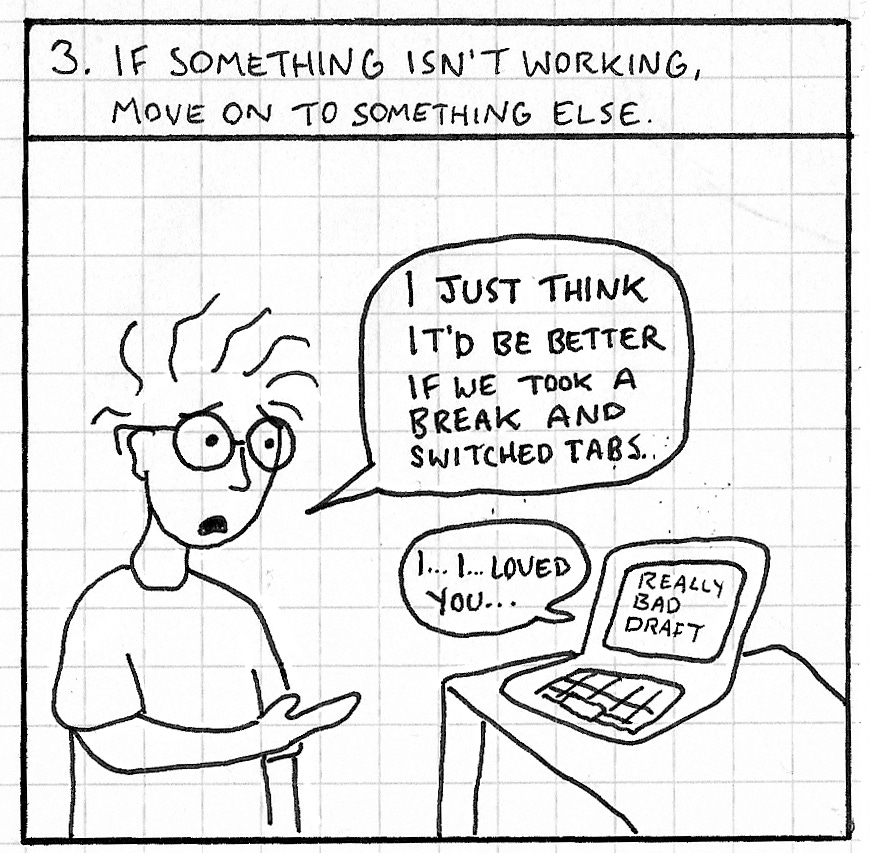
I had a lot of guilt about this one for a long time because I thought I was doing something wrong. But I’ve since learned that it’s actually a very common practice for many writers and artists to bounce between projects. I really wish I were the type of person who could always start an idea and then finish it in a timely, linear fashion. Things just don’t always work out that way. Again, sometimes you’ll get inspired and everything just comes together easily. In my experience, that’s the exception and not the norm.
There are times the words are just not going to come out. Even if you think the core concept of the piece is good, your head and heart just aren’t in it when you sit down to write. There are times when you do have to just push through. If you’re on assignment for a paid gig and it’s due in a few hours? Yeah, bud, you’re just going to have to power through that somehow. But if you have time and flexibility, lean into that.
For me, I like to have a few different things going on at once. When I get stuck or frustrated with one thing, I can hop to the other and exercise a different part of my brain and creativity. This was a godsend when I was working on my book 20th Century Ambient and The Cobain 50 podcast. When I was lost in the haze of ambient, there was a pile of post-punk records waiting for me to dig into. When the punk chaos got to be too much, I could return to the comforting tones of ambient. Switching it up is not a bad thing. Getting some space from one idea and immersing yourself in another oddly helps give perspective. Or if you’re working on a bigger project like a book and you’re getting stuck on a chapter, try working on a different section. Allow yourself the variety. Keep yourself mentally stimulated. Hitting writer’s block sucks. So keep the creative momentum going by giving yourself options.
4. Commit to Ideas You’re Really Excited About
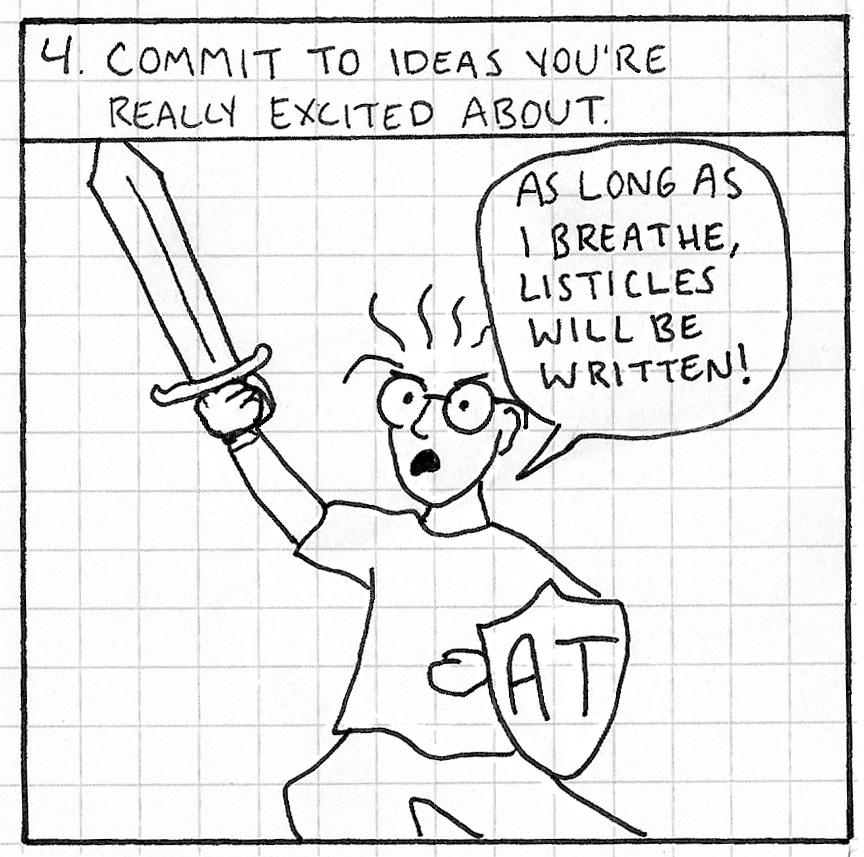
Writing is hard work, and you’re going to expend a lot of mental energy on it. When you can, try to pick projects that you actually want to do.
Sometimes this is a luxury we don’t always get. Maybe you’re in a place where you’re being assigned ideas rather than dreaming them up yourself. But when you do have the choice — or even a little say in the direction — try to think about what’s going to be fulfilling for you, not just what you think is the right or practical choice.
In our (vomits into a paper bag off camera) data-driven society, we’re often told to “go for low-hanging fruit” or to approach ideas that we think people are going to engage with based on empirical evidence. That’s fine if you’re trying to be a marketer, I suppose, but it tends to get dull. The most exciting work I come across comes from people who aren’t thinking about these things — they’re trusting their creative whims. Your passion needs to be the driver. Because if you’re passionate about an idea, that’s going to shine through. Likewise, if you’re complacent, that’ll come through too.
It’s hard to be creative if you’re not excited about what you’re working on. Sometimes you don’t have a choice. I understand that deeply — we’ve all got bills to pay. But when you have the option, choose the thing that’s going to light a fire in you. Don’t let your best ideas fall to the wayside because they’re impractical. Use that as fuel to make it work.
5. Don’t Let a “Flop” Bring You Down
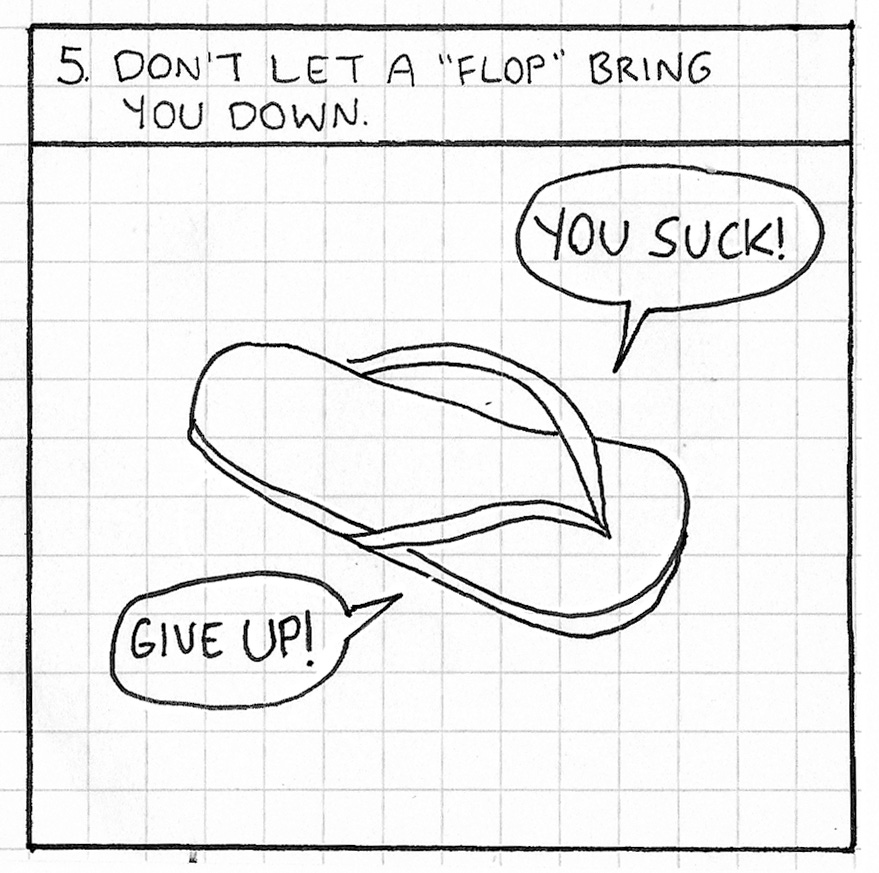
I’ll be honest and say this is one of my biggest weaknesses. Look, no one wants to say they care about metrics or “engagement” or whatever buzzword your CEO tossed out at an all-hands. I’m a firm believer in trusting your work and letting success come from executing an idea that’s true to your vision. But, well, it’s nice when something lands with people. And it kind of sucks when it doesn’t.
Some of my favorite pieces I’ve done for Another Thought are also some that have been read the least. I’m sure other writers know the pain of pouring out your heart only to find that virtually no one saw it. I think this disappointment comes from an earnest place. It’s not so much about “hitting engagement goals” as it is a desire to be seen and for your work to matter.
I’ve spiraled out more times than I care to admit after feeling like a piece “failed.” Those spirals hardly ever serve me well. They set me back, and I spend too much time wallowing and feeling bad for myself when I could be putting that time into the next thing. I’m still working on it. But the goal is to keep the energy looking ahead. Maybe there are some lessons to take from a piece “flopping.” That can be good to note and remember for next time. Sometimes there is no real reason. Maybe your piece was just another victim of the algorithm, current events, or who even knows. But you’ve got to keep going. Preserve and nurture your creative spirit instead of beating yourself up because of likes or reach or whatever other bullshit we’re supposed to track. And who knows — maybe that “flop” will find an audience someday down the road.
6. Rest (ha…ha…)
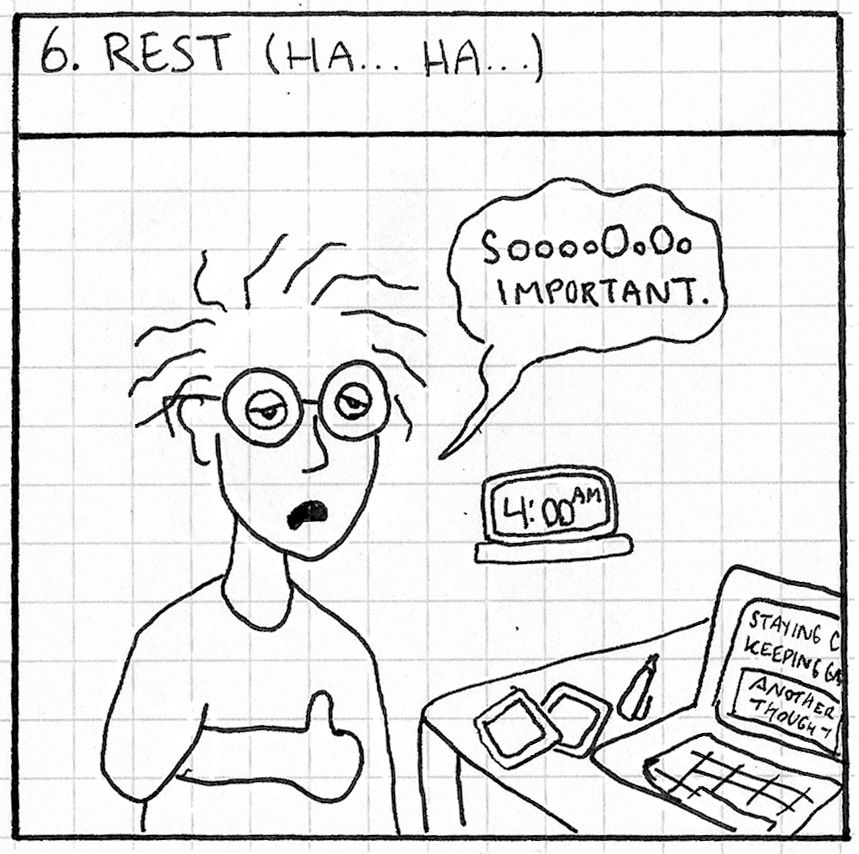
Well, here’s one I’m even worse at. If you’re trying to keep gas in the tank, you’ve got to pace yourself. It’s very easy to burn out when writing. If you keep going without taking a break, you’re going to reach a mental limit before your word limit.
Your brain is the key to all of this, and you need to nourish and take care of it. Sleep is good for this (so I hear). But also just taking time to step away — not going to another project — and not writing at all can be very healthy. You need time to get inspired. Indulge yourself in the other things you love. Reading is always great, of course. Exercise, fresh air, socializing — all those things that “you know you should be doing” actually do help.
I love diving into other art to wake me up from a creative rut. Going to the movies. Drawing something totally unrelated to my work. Sometimes I really just feel the call to rot my mind into a video game and escape into something far away from my work. Big shout out to Clair Obscur: Expedition 33, which has been a godsend the past couple of months in getting me out of my head for a couple hours a few times a week. Find your “thing” that gets you out of your head, even if just for a bit.
Rest can be hard. The 21st-century productivity guilt is very real, at least for me. Or you can go the other way and rest too much and not get anything done. Finding the balance is tricky, and I haven’t quite figured it out for myself. But when I do have the right mind to listen to my body and take a break, I’m always thankful for it.
I’m grateful to have the space here to try to work through these ideas and share my experiences with writing. I truly love this stuff. Starting Another Thought has been such a positive thing in my life, even on those all-too-frequent all-nighters. Thank you for reading along, commenting, messaging, sharing, and reaching out this past year. I feel invigorated for what’s ahead and don’t plan on stopping anytime soon. Feel free to share your “creativity” tips as well. We all get better when we work together.
Here’s to another one million years of Another Thought.
Support the Newsletter By Giving Me (some of) Your Hard-Earned Money
Thank you for reading and supporting Another Thought! Just by reading these posts, you’re already making my day. If you like Another Thought and want to support the work that goes into it, consider a paid subscription. If you’re a big “content-head” like me (love that content), I’m following best practices and calling it Another Thought+.
Here’s what you get for $5/month:
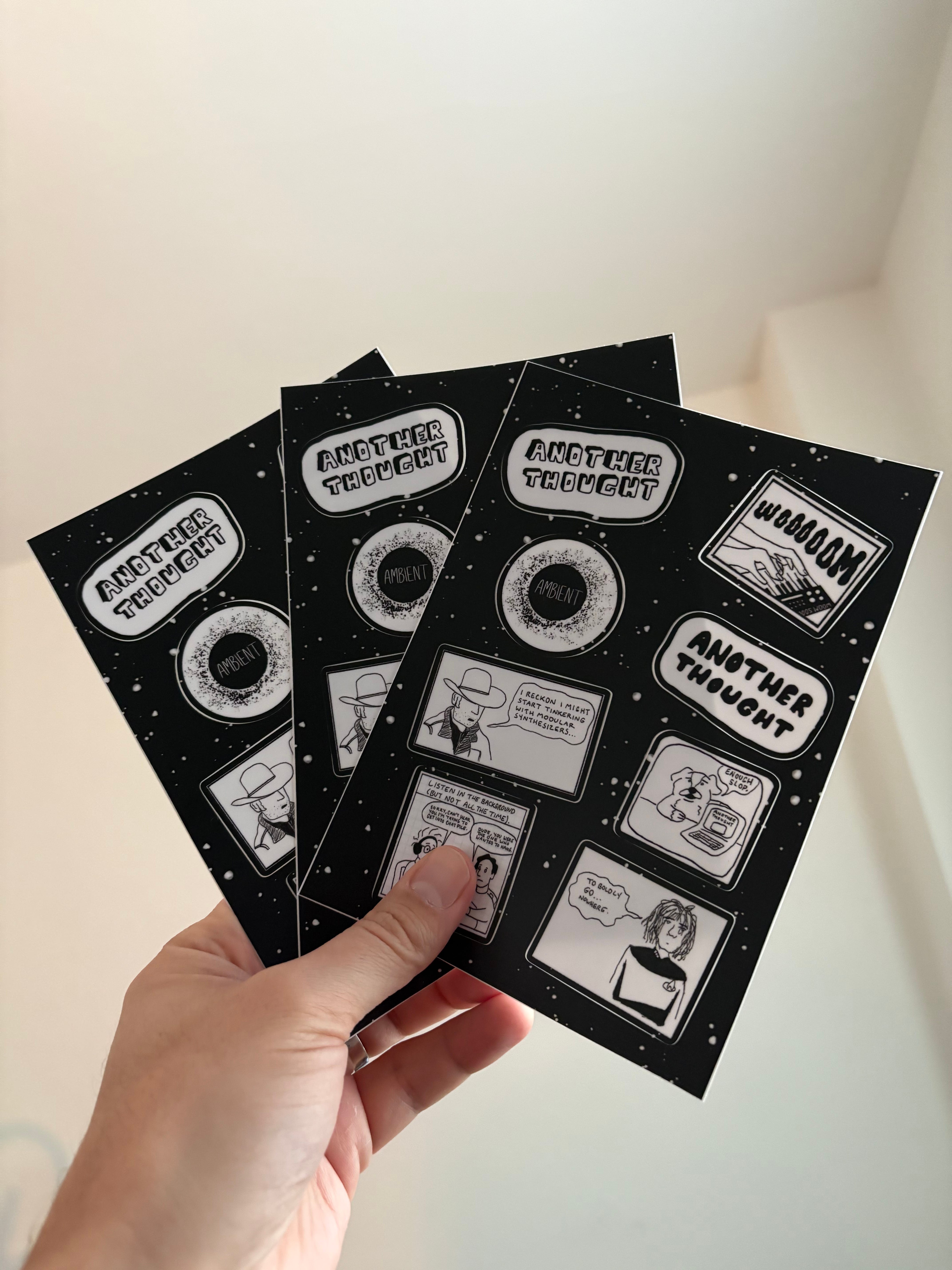
A free sticker sheet when you first sign up
Bonus editions of Another Thought for paid subscribers only in your inbox
Exclusive playlists and mixes
Early access and discounts to upcoming physical zines/comics/prints
The satisfaction of supporting the newsletter and the work that goes into it
And much more!
Well, what are you waiting for? Sign up today!
My Book 20th Century Ambient is Out Now!
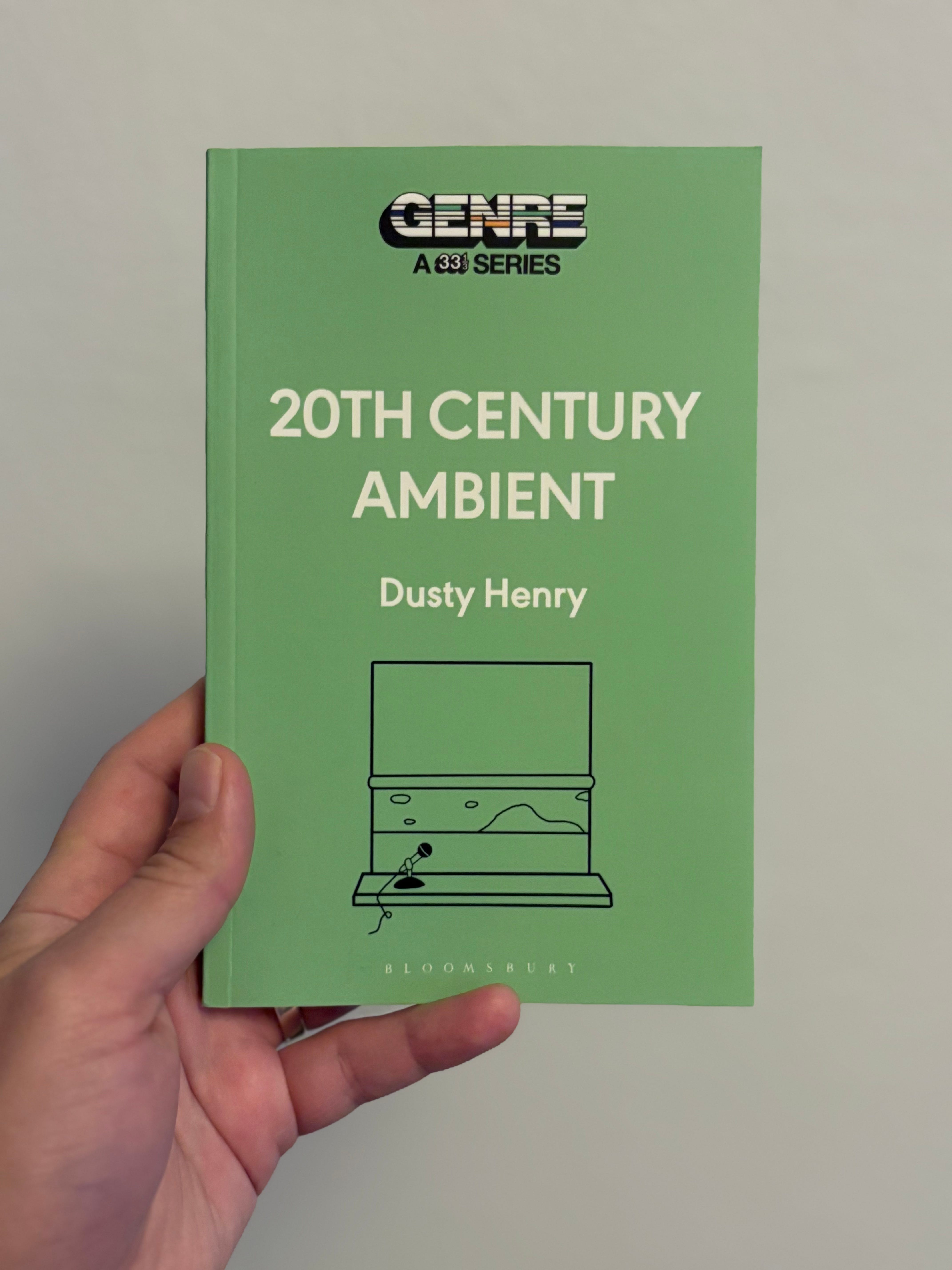
Through text and comics, 20th Century Ambient traces the recent history of ambient music to uncover how the genre has evolved and the role it plays in our daily lives. If you dig the combination of art and essays on Another Thought, I think you’ll love this book.
“Enriched by vivid profiles of the genre’s practitioners and capped by a list of essential tracks, it’s a quirky love letter to an enigmatic sound.” - Publishers Weekly
“Dad! Your book isn’t boring! It has pictures in it! It’s hilarious. Kids can read it too!” - my child
20th Century Ambient is out now from Bloomsbury Books.
"Some of my favorite pieces I’ve done for Another Thought are also some that have been read the least. I’m sure other writers know the pain of pouring out your heart only to find that virtually no one saw it."
I can't tell you the number of times this has happened to me. What's equally surprising is when someone connects with something you wrote that you second-guessed whether it was worth publishing at all.
Goes to show we're not always the best people to ask when it comes to our own work.
Congrats on a year, man -- you're one of the best here.
Damn, I love your "unsolicited" writing advice. More often than not it's because—if can center myself for a moment—it's something we've talked about at dinner or over drinks or when we used to work together (haha "remember when") and I've either forgotten it or it's so embedded in me that I hardly even think about it. You are my key source/soundboard for talking about writing, and I'm happy for the writers who read your work that you enjoy sharing these ideas.
Happy newsletter birthday, bro! Another Thought has been a real inspiration to me personally.